
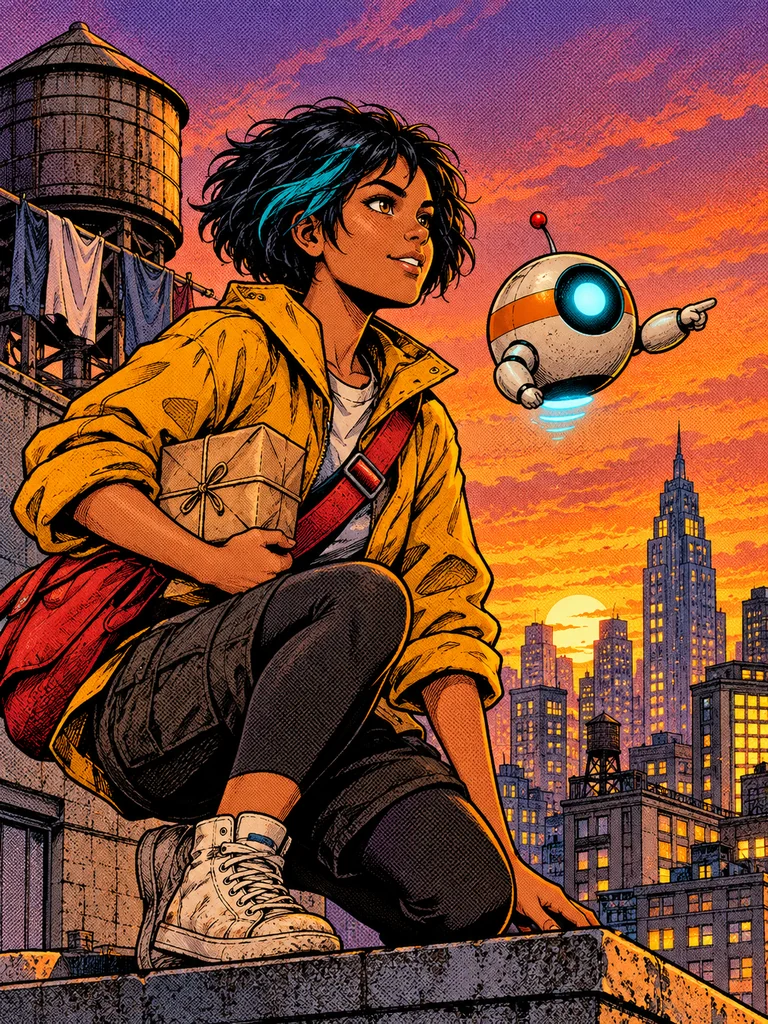
American comic
Looks like: Dynamic ink lines, halftone dot shading, saturated color and dramatic light.
Best for: Superheroes, action, pulp adventure.
Use this styleGuide
There is no single official list of comic art styles, and guides disagree on the names. This one shows the main looks the way they are usually grouped, puts the history on one timeline, and draws the same scene in 25 styles so you can compare them for real.
Updated 9 min read
History
Collectors split American comic books into ages, and each age is tied to a look. Only a few dates are firm; the rest are rough, so read every "about" literally. Manga and European comics grew on their own track, shown on the second line.
American comic books
The Golden Age starts
The first big costumed hero comic book appears in 1938. Bold outlines and flat, bright color on cheap paper.
The Comics Code
An industry content code takes effect in 1954 and shapes what mainstream comics can show.
The Silver Age
Usually dated from a superhero relaunch in October 1956, running to about 1970.
The Bronze Age
No single event starts it, so sources say about 1970 and end it around the mid 1980s.
Dark Age or Modern Age
Sources use both names and disagree on the start. Guides tie it to darker, noir leaning art.
Manga and European comics
Black and white manga
A 1973 war manga is still a common example of the look: ink, screentone gray, no color, which keeps weekly serials fast.
Ligne claire gets a name
A Dutch artist coins the term for the Franco-Belgian adventure look: clear lines, flat color, no hatching.
Manga travels
Guides place the rise of manga outside Japan in this period; the timing varies by country.
Digital and vertical
Full color comics drawn for phones, read top to bottom as one long scroll.
Swipe sideways to see the whole timeline.
Era names describe American superhero comics first. A comic book art style today rarely belongs to one age: you can draw a new story with a Golden Age color palette, or a manga story in full color.
Side by side
Most style lists describe each look with a different picture, so you end up comparing subjects instead of styles. Here every image is the same written scene and the same two characters, so the only thing that changes is the comic book art style. Drag the handle to wipe from one look to another.
Scene: a courier and her small robot on a rooftop at dusk
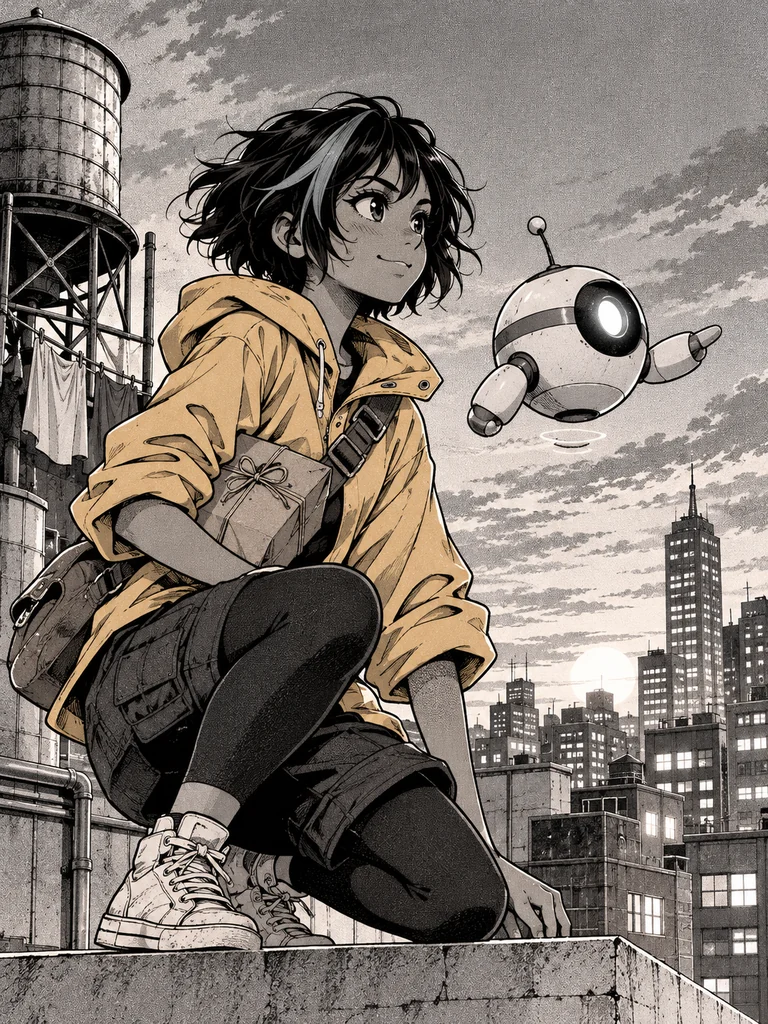
American comic: Inked outlines, halftone dots in the shadows and punchy color. The rooftop reads like a cover.
Manga: No color at all. Gray comes from screentone, and the sky turns into flat tone and white.
All 25 cards below use this same scene, so the catalog works as a bigger version of this comparison.
Catalog
Each card is a comic book art style you can pick when you start a comic. Names describe the look, not a studio. Filter by family, then use a style to open a new comic with it already selected. In our comic maker the style you pick applies to every panel of that comic.
Looks like: Dynamic ink lines, halftone dot shading, saturated color and dramatic light.
Best for: Superheroes, action, pulp adventure.
Use this style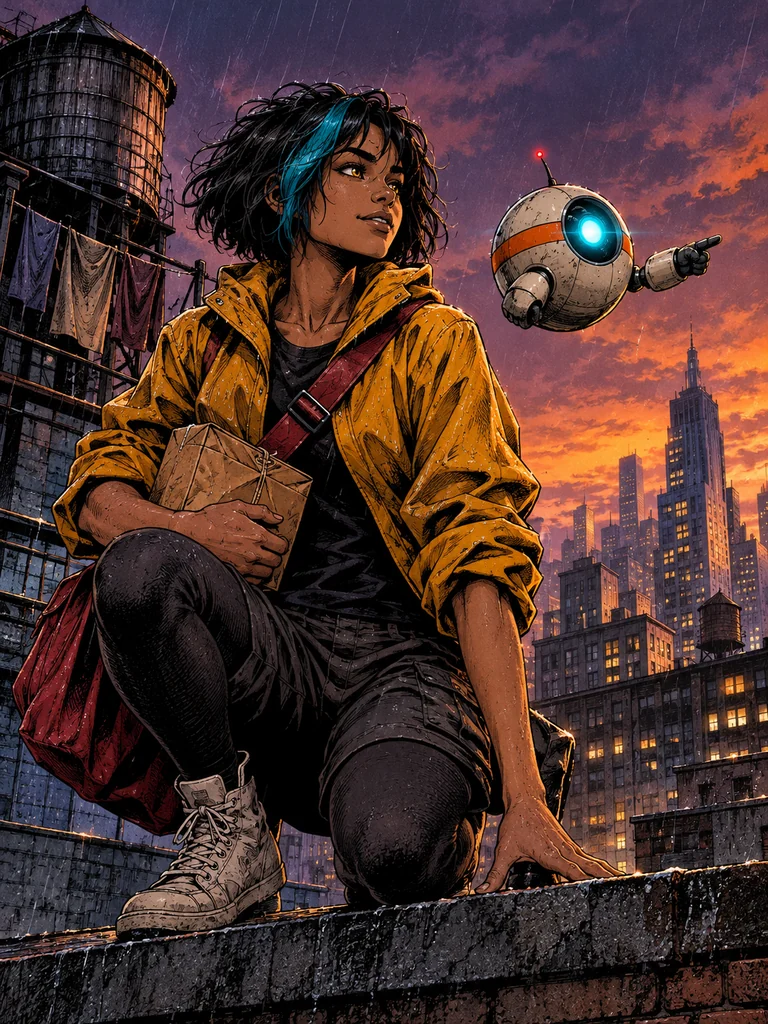
Looks like: Gritty realistic anatomy, crosshatched shadows, rainy night cities and rim light.
Best for: Vigilantes, antiheroes, grim action.
Use this style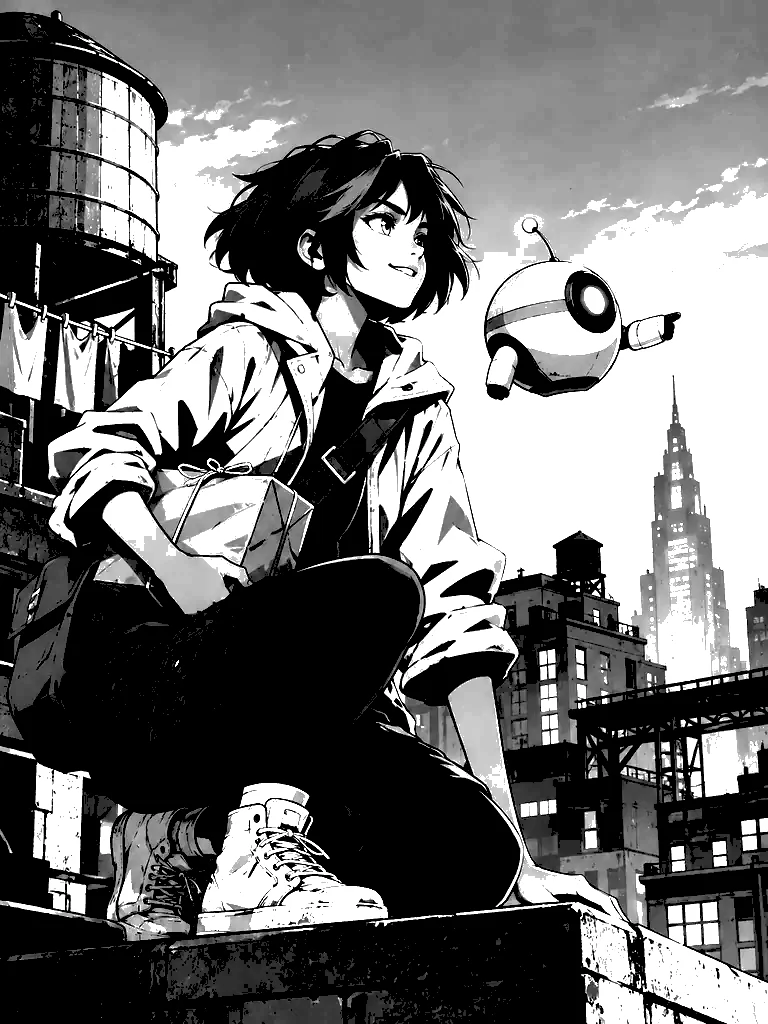
Looks like: Heavy black shadows, high contrast, a short muted palette and moody light.
Best for: Crime, mystery, horror.
Use this style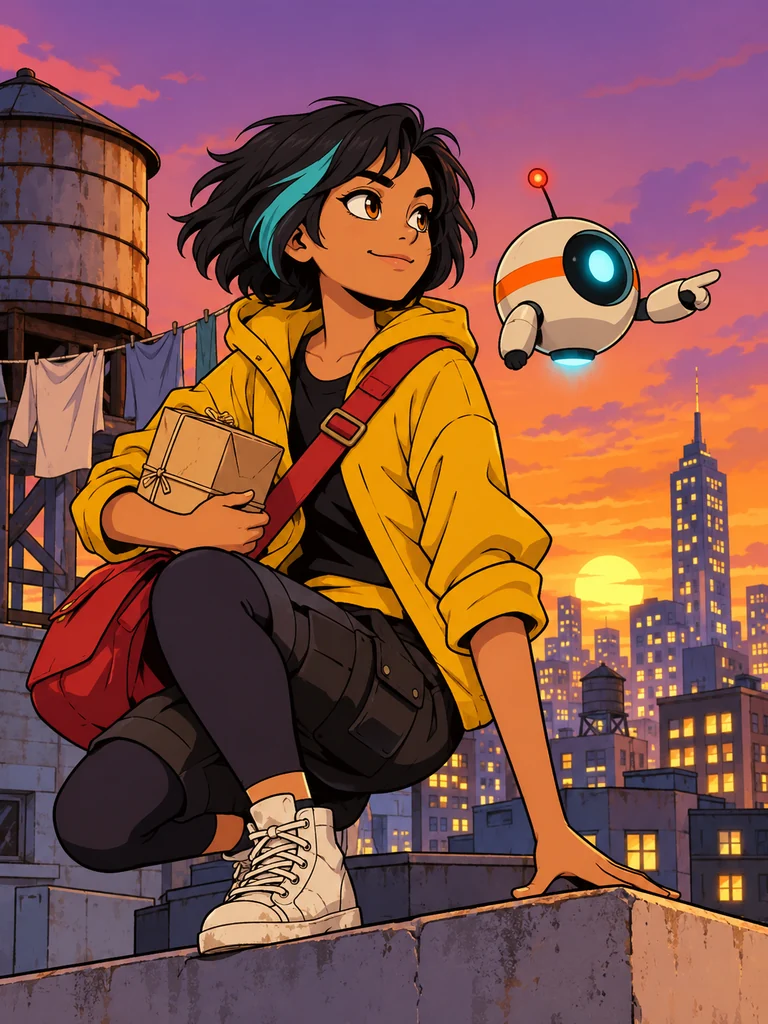
Looks like: Clean bold outlines, flat vibrant color, expressive faces, light shading.
Best for: Gag strips, everyday humor, school projects.
Use this styleBlack and whiteLooks like: Black and white ink with screentone gray, expressive eyes and speed lines on movement.
Best for: Any manga genre, long running series.
Use this style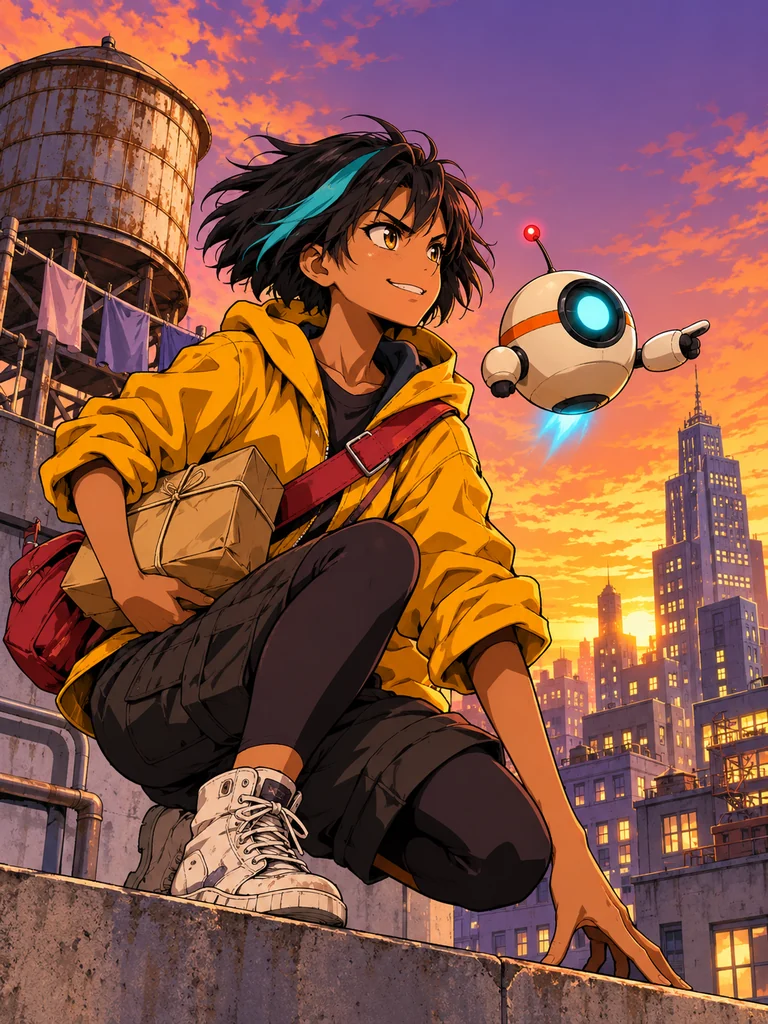
Looks like: Full color battle manga: bold lines, speed lines, impact bursts, fierce poses.
Best for: Battles, sports, tournaments.
Use this style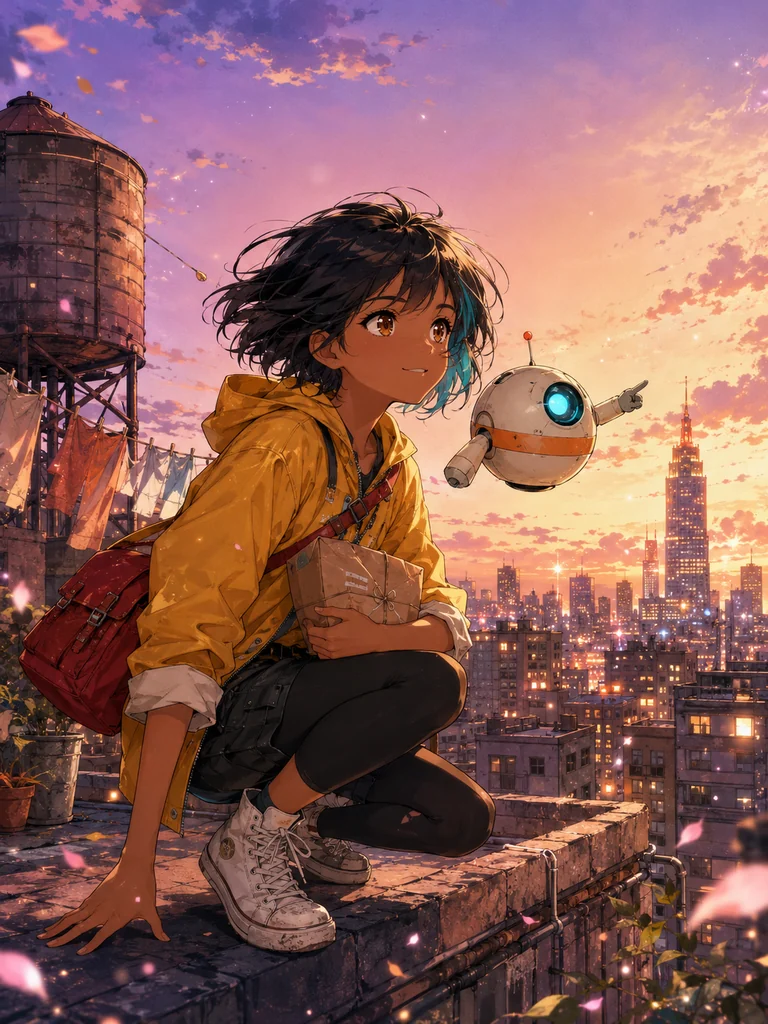
Looks like: Slender figures, glittering eyes, fine lines, sparkles and petals in pastel color.
Best for: Romance, school drama, friendship.
Use this style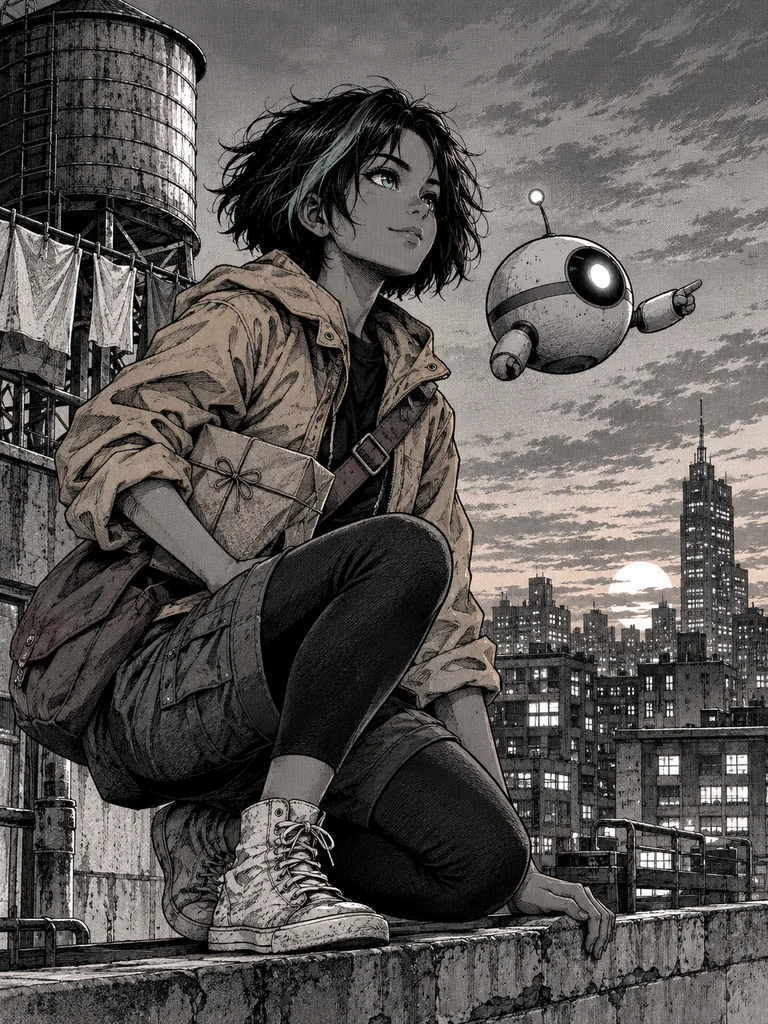 Black and white
Looks like: Realistic mature faces, dense crosshatching, heavy black ink, grounded backgrounds.
Best for: Adult drama, thrillers, historical stories.
Use this style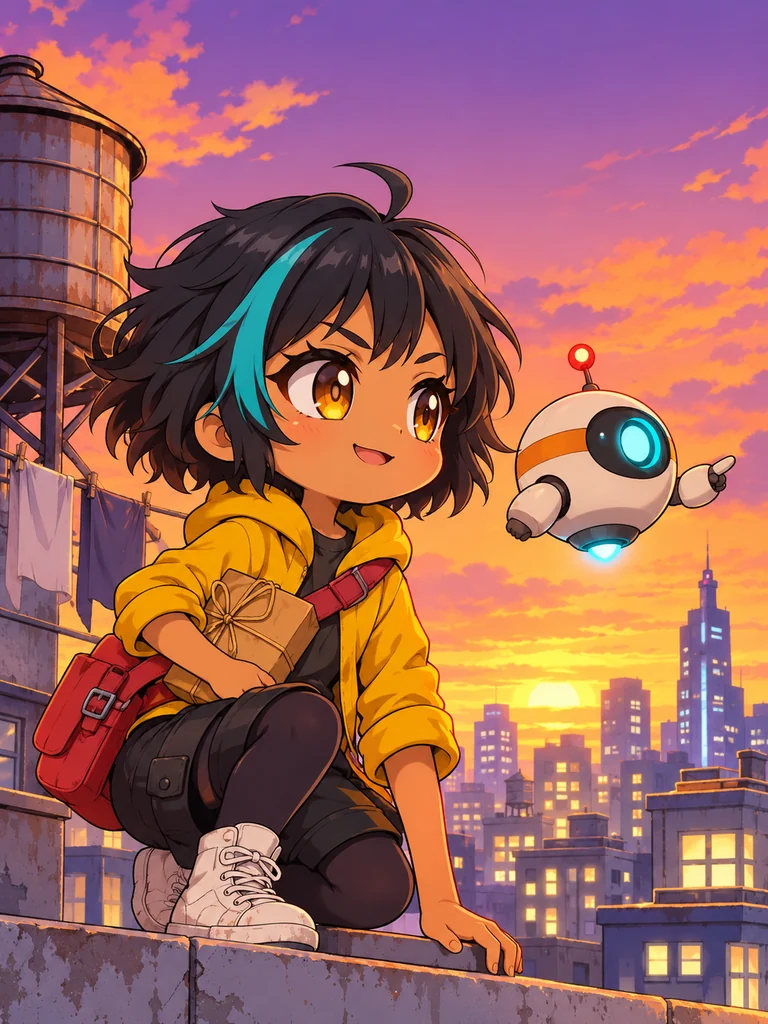
Looks like: Oversized heads, tiny bodies, huge sparkling eyes and bright pastel color.
Best for: Cute gags, fan shorts, stickers.
Use this style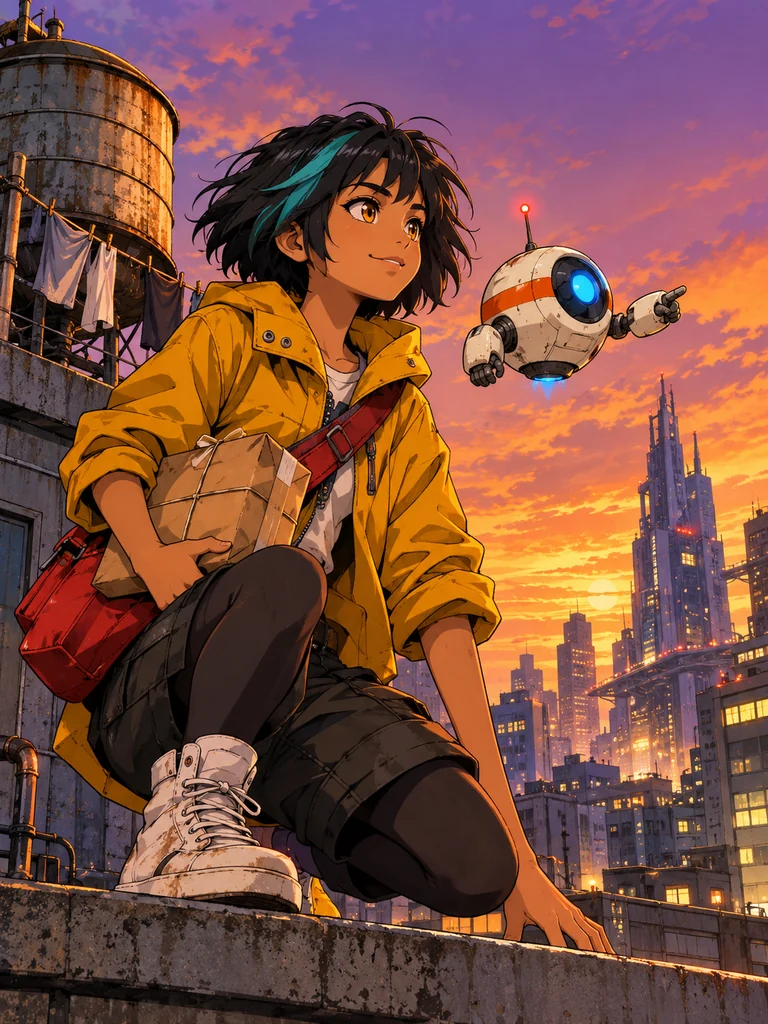
Looks like: Giant robots with plating and rivets, low angles, sparks and smoke, cel shading.
Best for: Robot battles, military sci-fi.
Use this style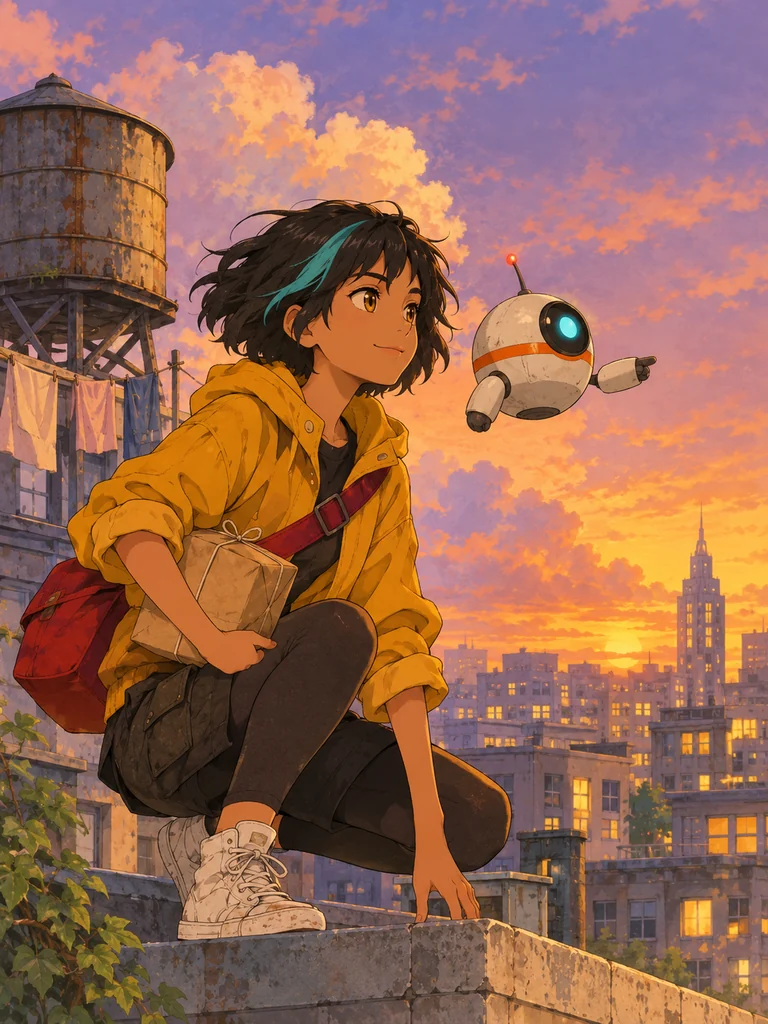
Looks like: Hand painted backgrounds, soft daylight, gentle simple faces and big summer clouds.
Best for: Gentle fantasy, countryside adventures.
Use this style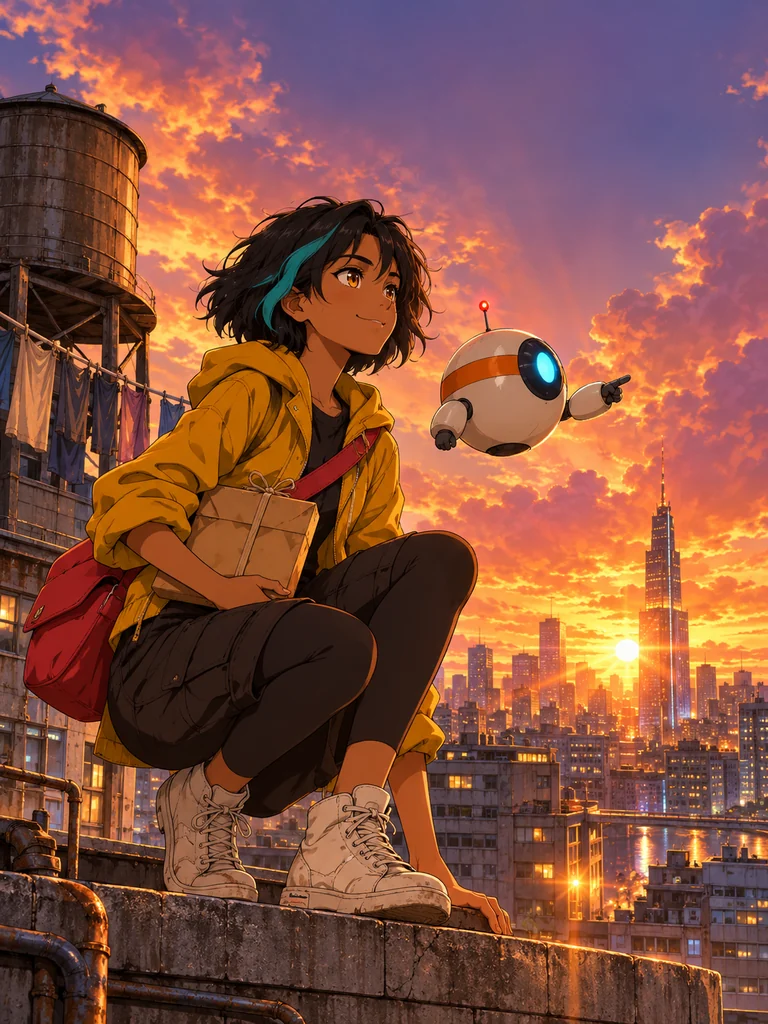
Looks like: Photo detailed skies and cities, light rays and lens flare, modest character design.
Best for: Wistful romance, coming of age.
Use this style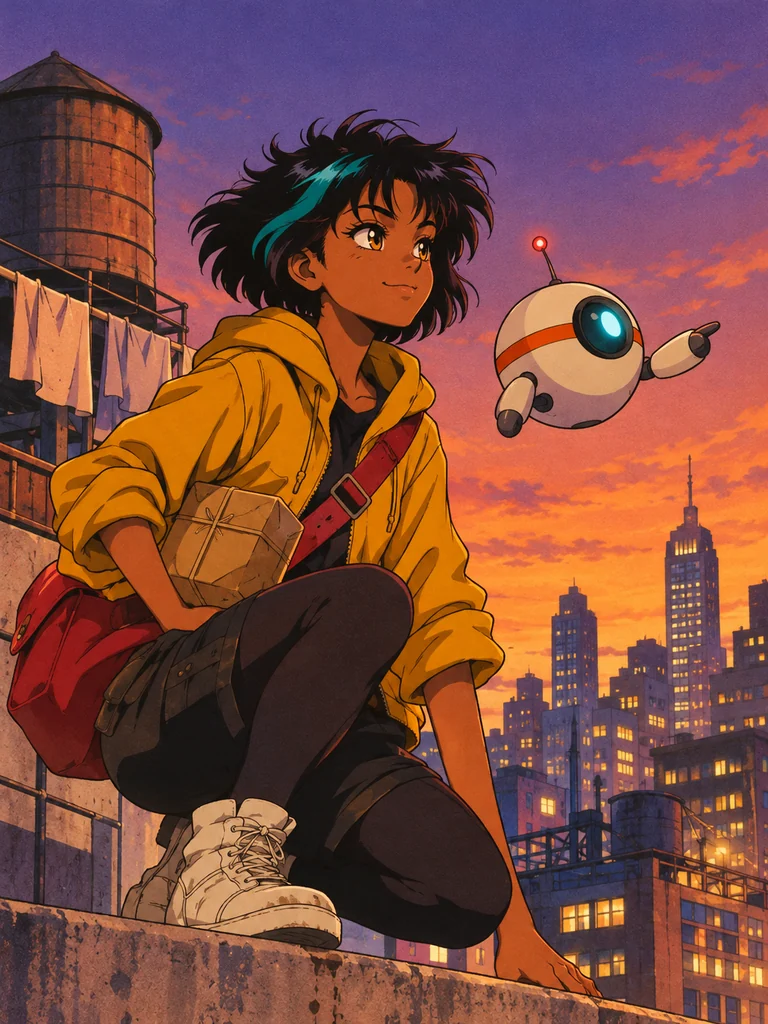
Looks like: Painted cels, thick clean outlines, film grain and warm muted color.
Best for: Nostalgic city stories, detectives, space crews.
Use this style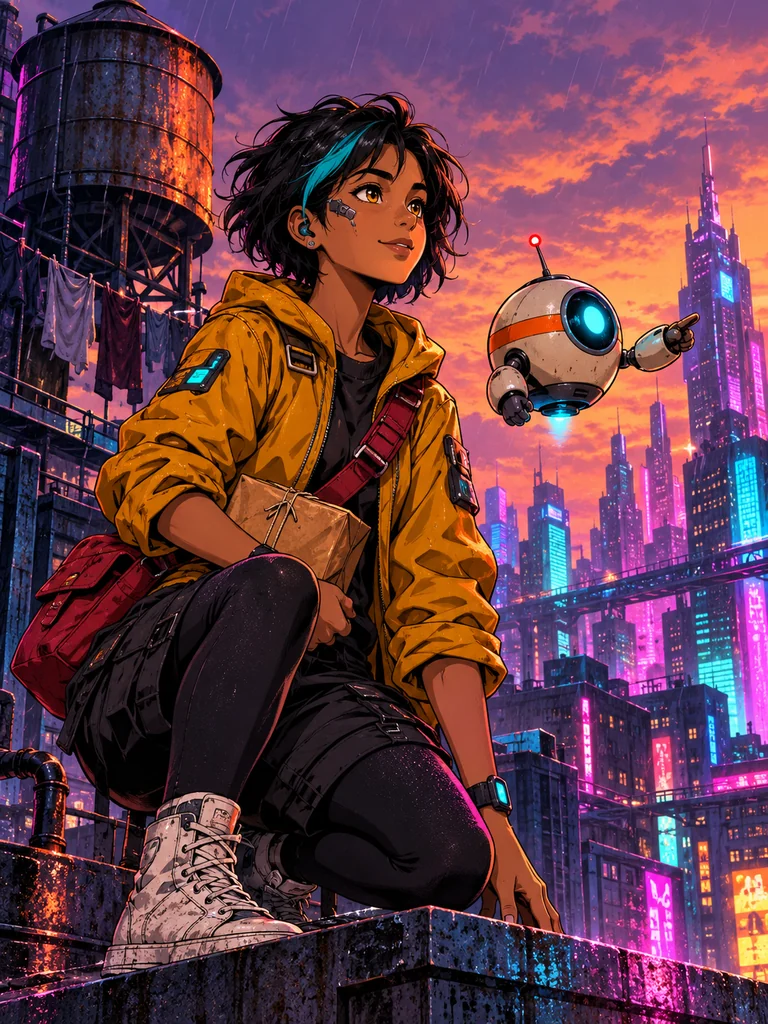
Looks like: Neon rain, implants and sleek tech, hard detailed lines, magenta and cyan glow.
Best for: Hackers, heists, dystopias.
Use this style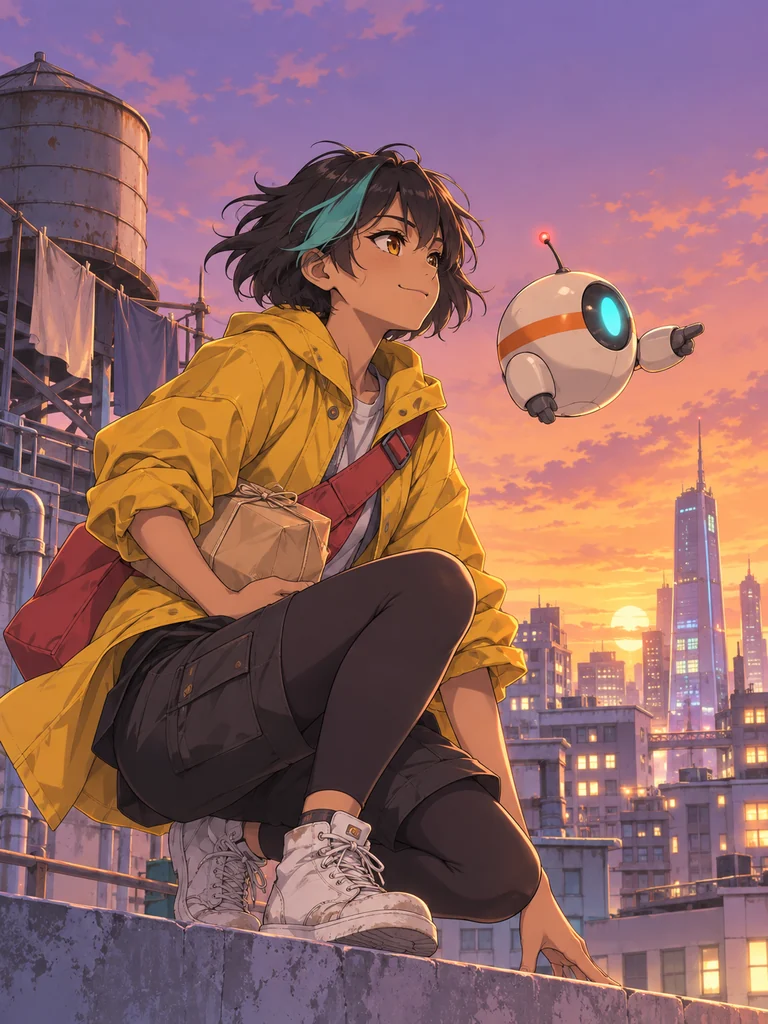
Looks like: Soft cel shading, clean digital lines, pastel leaning color, polished faces.
Best for: Romance and drama told in vertical episodes.
Use this style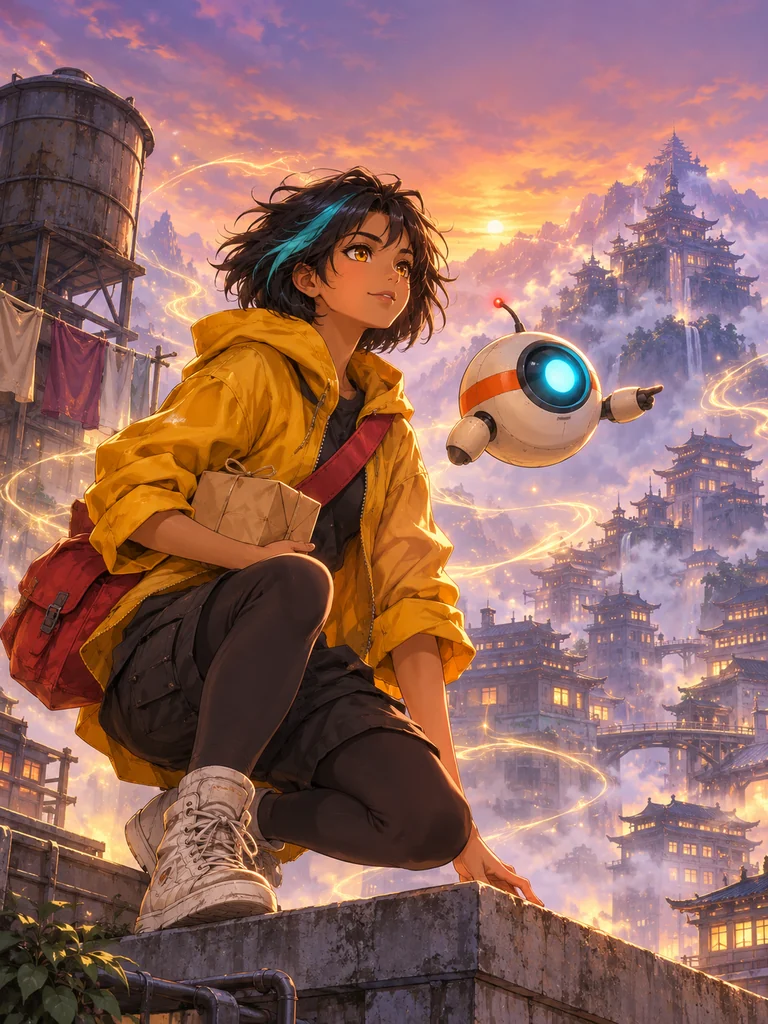
Looks like: Flowing robes and long hair, glowing spirit energy, misty mountains, soft painterly finish.
Best for: Cultivation fantasy, martial arts epics.
Use this style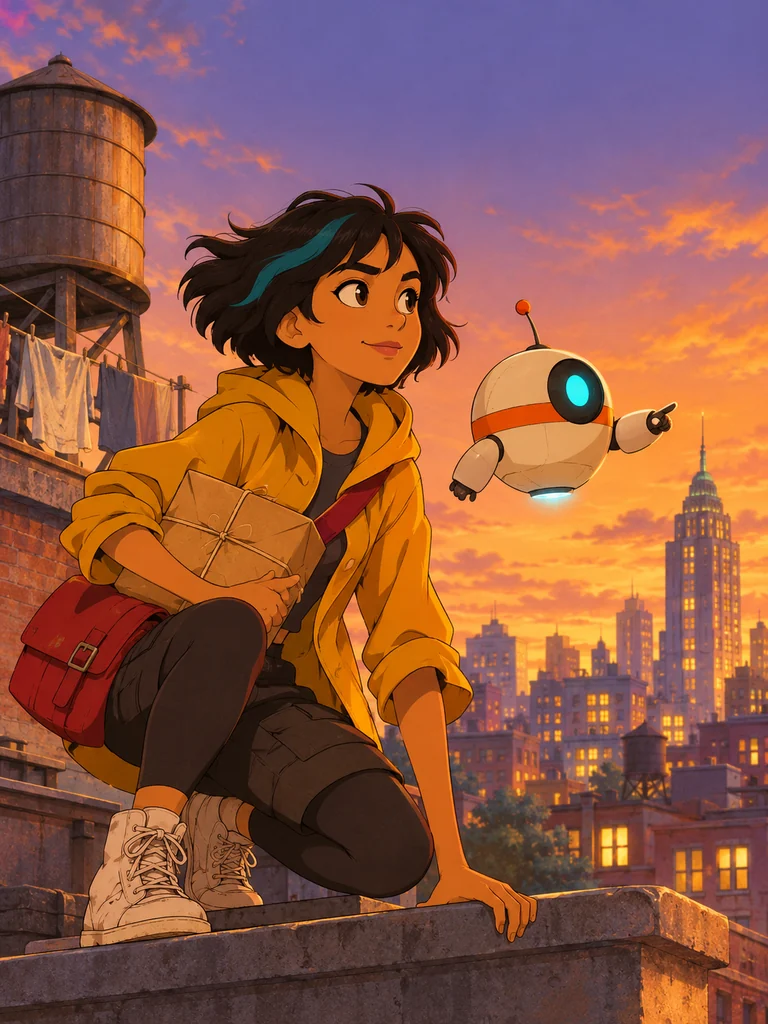
Looks like: A hand drawn film frame: fluid characters, big bright eyes, painted storybook backgrounds, warm light.
Best for: Fairy tales, musicals, family stories.
Use this style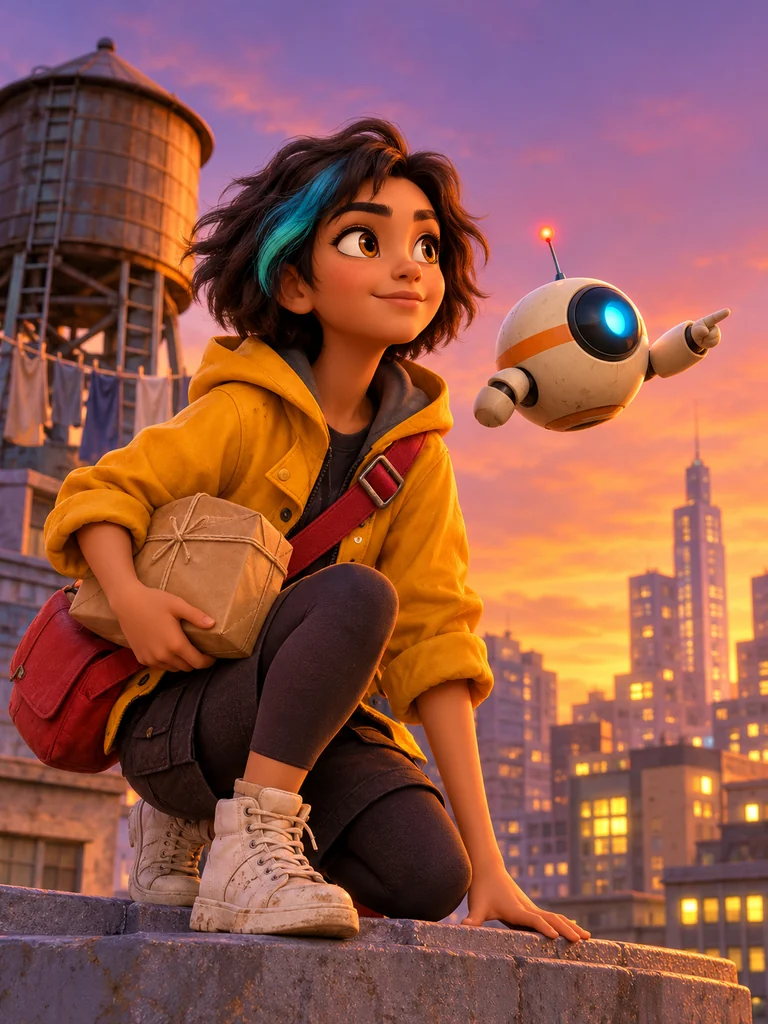
Looks like: A rendered movie still: rounded characters, soft light, tactile materials, shallow focus.
Best for: Family adventures, heartfelt shorts.
Use this style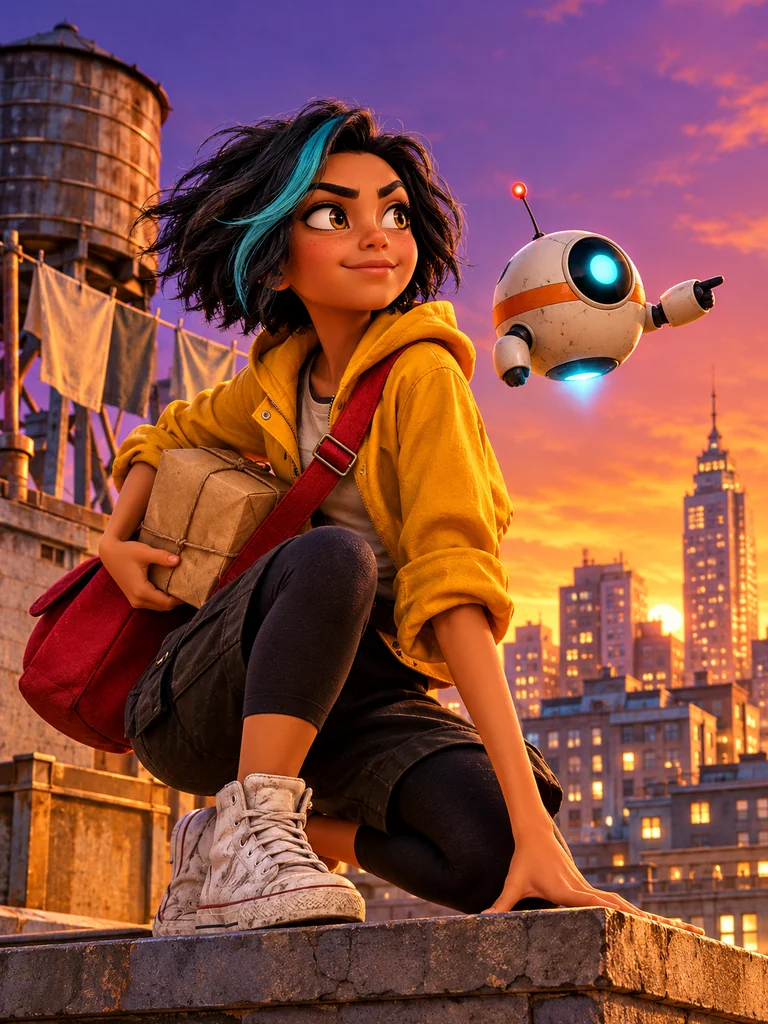
Looks like: Caricatured proportions, smirking faces, punchy color and a glossy render.
Best for: Comedy, parody, pets with attitude.
Use this style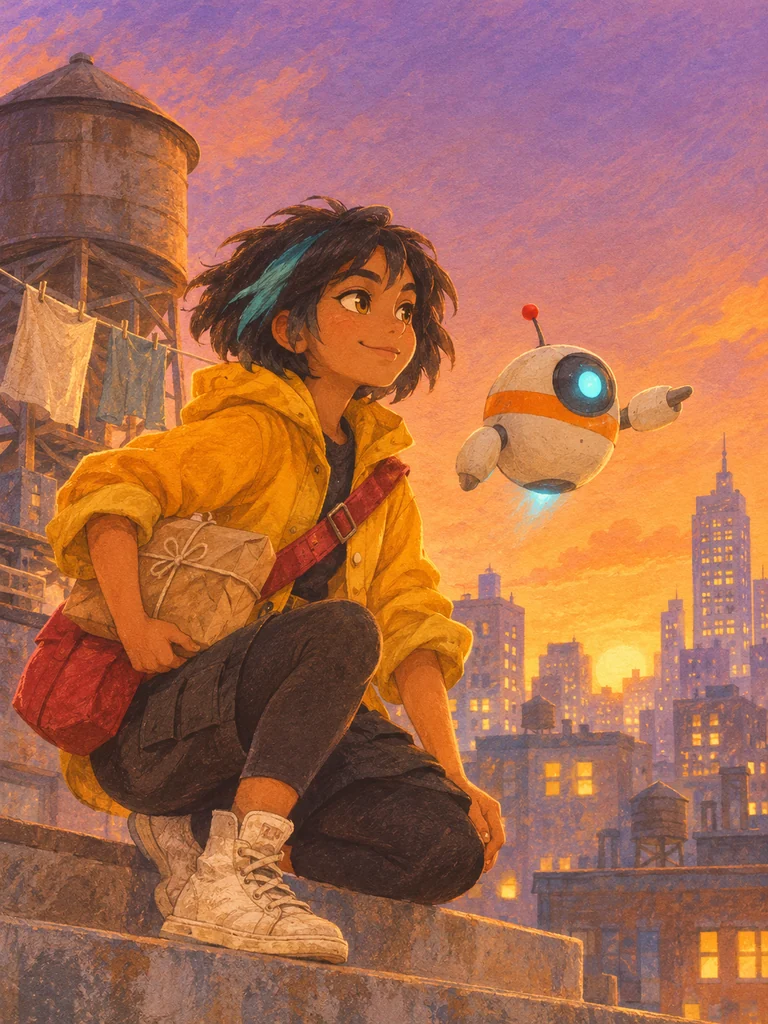
Looks like: Friendly rounded shapes, warm soft color and gentle texture.
Best for: Picture books, bedtime stories, classrooms.
Use this style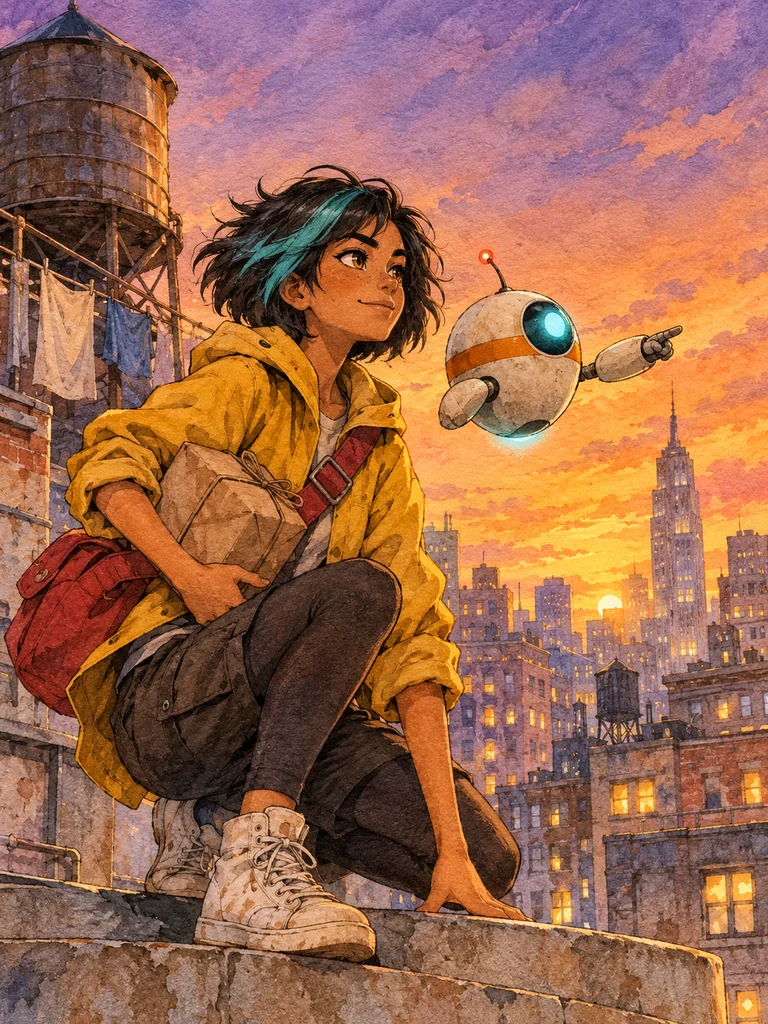
Looks like: Hand painted soft edges, visible paper texture and light ink accents.
Best for: Quiet slice of life, travel diaries, poetry comics.
Use this style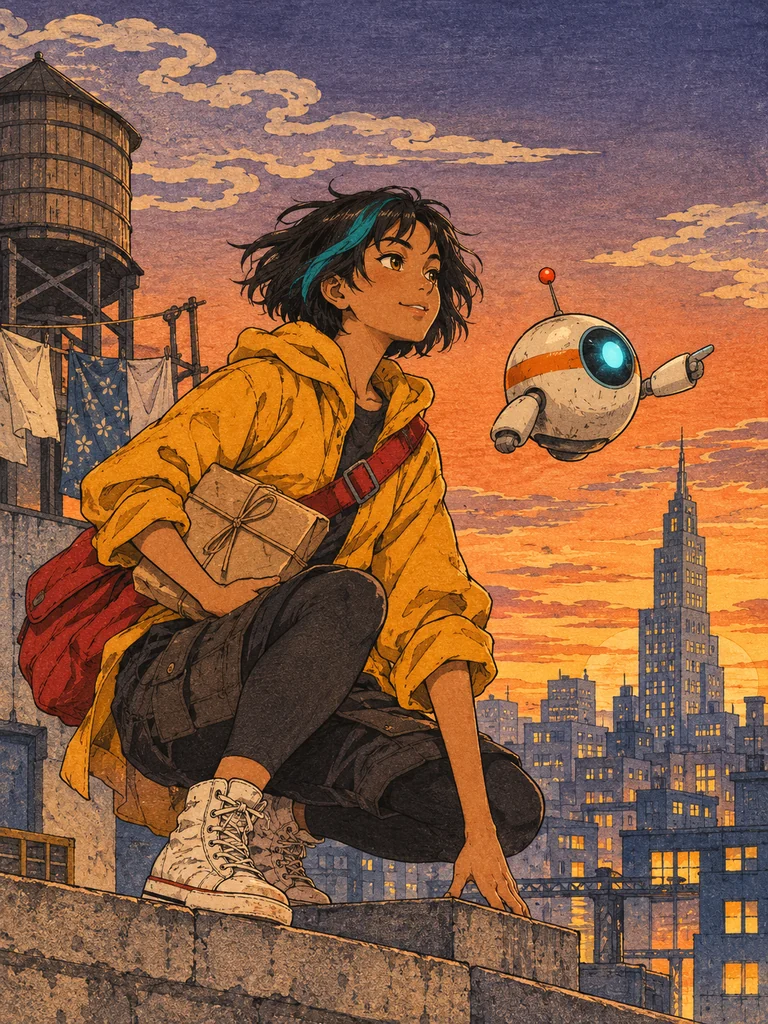
Looks like: Woodblock print look: brush outlines, flat color blocks, stylized waves and clouds, indigo and vermilion.
Best for: Folklore, myths, historical tales.
Use this style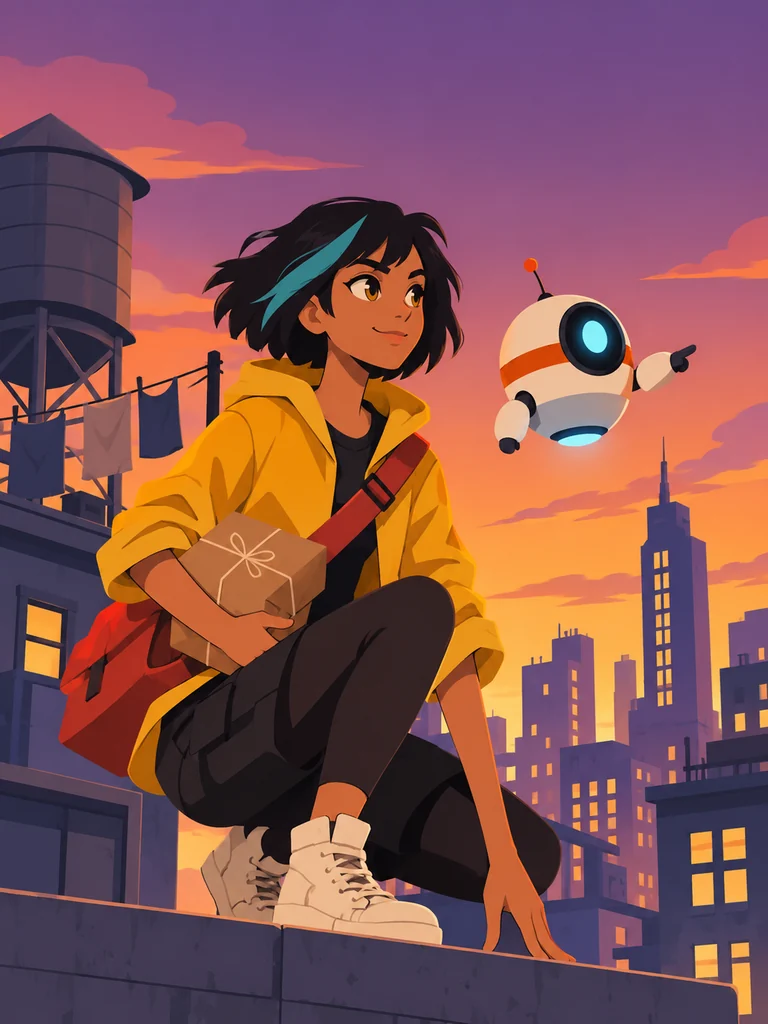
Looks like: Geometric shapes, solid color blocks and minimal detail.
Best for: Explainers, work comics, social posts.
Use this style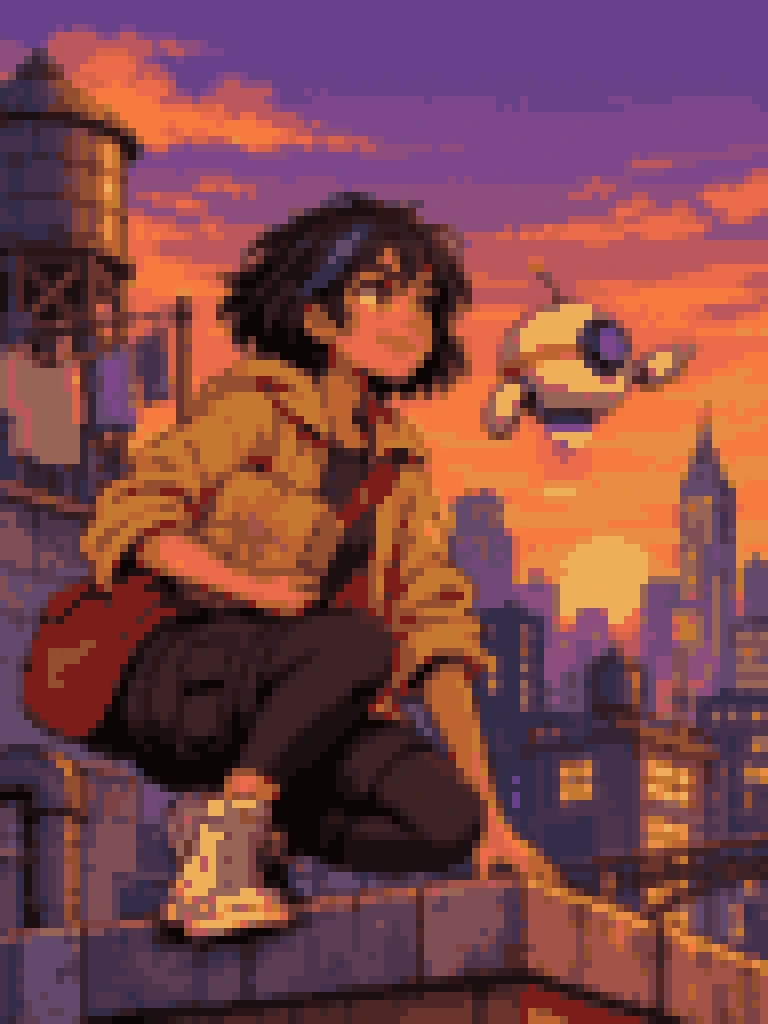
Looks like: Crisp 16 bit pixels and a small palette, like an old video game.
Best for: Gaming jokes, retro quests.
Use this style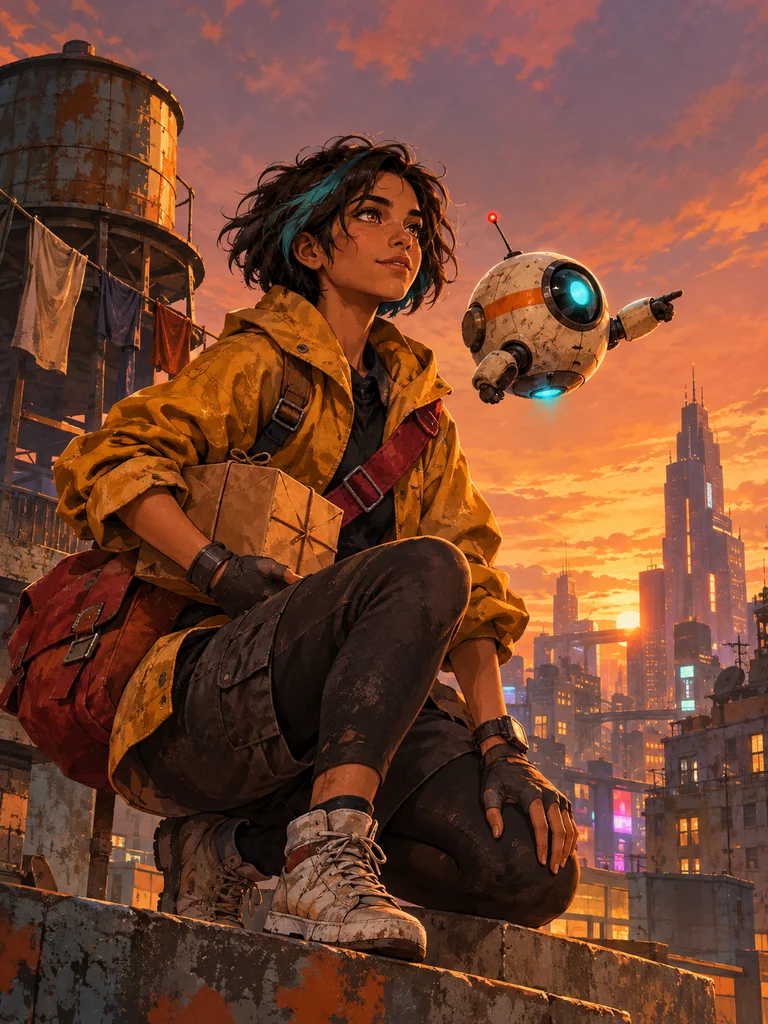
Looks like: Painterly semi realistic splash art, chunky armor, worn textures, orange and teal accents.
Best for: Sci-fi squads, game fan comics.
Use this stylePick one style per comic and keep it. Mixing looks from panel to panel is the fastest way to make a story feel like a collage. Characters stay the same across panels when you give them a character sheet, which our comic creator draws in the same style as the pages.
Glossary
Most arguments about a comic book art style come down to how it shades and how it shows motion. Learn these five marks and you can name almost any page you see.
Tiny dots of ink in a grid. Bigger dots read darker, and dots of two inks next to each other mix into a third color. Mid century comics used dot shading because it was cheap to print, through a process first developed in 1879. Pop art later blew the dots up into a look of its own.
Where you see it: American comic. Pop art halftone is history here, not a preset.
The gray of black and white manga: printed patterns of dots or lines laid over the drawing, now mostly applied digitally. It gives shading and texture without any color, one reason manga can come out every week.
Where you see it: Manga, Seinen, and as soft flourishes in Shojo.
Strong clean outlines, sometimes of varied width, flat color and no hatching, often with simple characters in front of detailed, realistic backgrounds. The name dates from 1977 and describes a classic Franco-Belgian adventure comic look.
Where you see it: Not a preset. Cartoon and Flat vector come closest.
Layers of crossing parallel lines that build up shadow: one layer for light shade, two or three for deep shadow. It reads as gritty and realistic and takes the place of gray tone.
Where you see it: Dark superhero, Seinen.
Straight lines that streak past a moving figure, or burst out from the center to show a shock or a sudden zoom. Manga uses them constantly; you will also see them in action pages everywhere.
Where you see it: Manga, Shonen.
Quiz
Answer three questions and get two or three styles to try first. Then draw one test panel in each before you commit; it costs far less than redrawing a finished chapter.
Styles to try
Answer all three questions to see your styles.
Making a vertical series? Read the format notes on the webtoon maker page. Picking lettering to match your look is covered in comic book fonts.
Write one sentence, choose any of the 25 styles and get a full script for free. Every panel, bubble and caption stays yours to change.
Start a comic